The Noguchi Museum
The Noguchi Museum
The Noguchi Museum
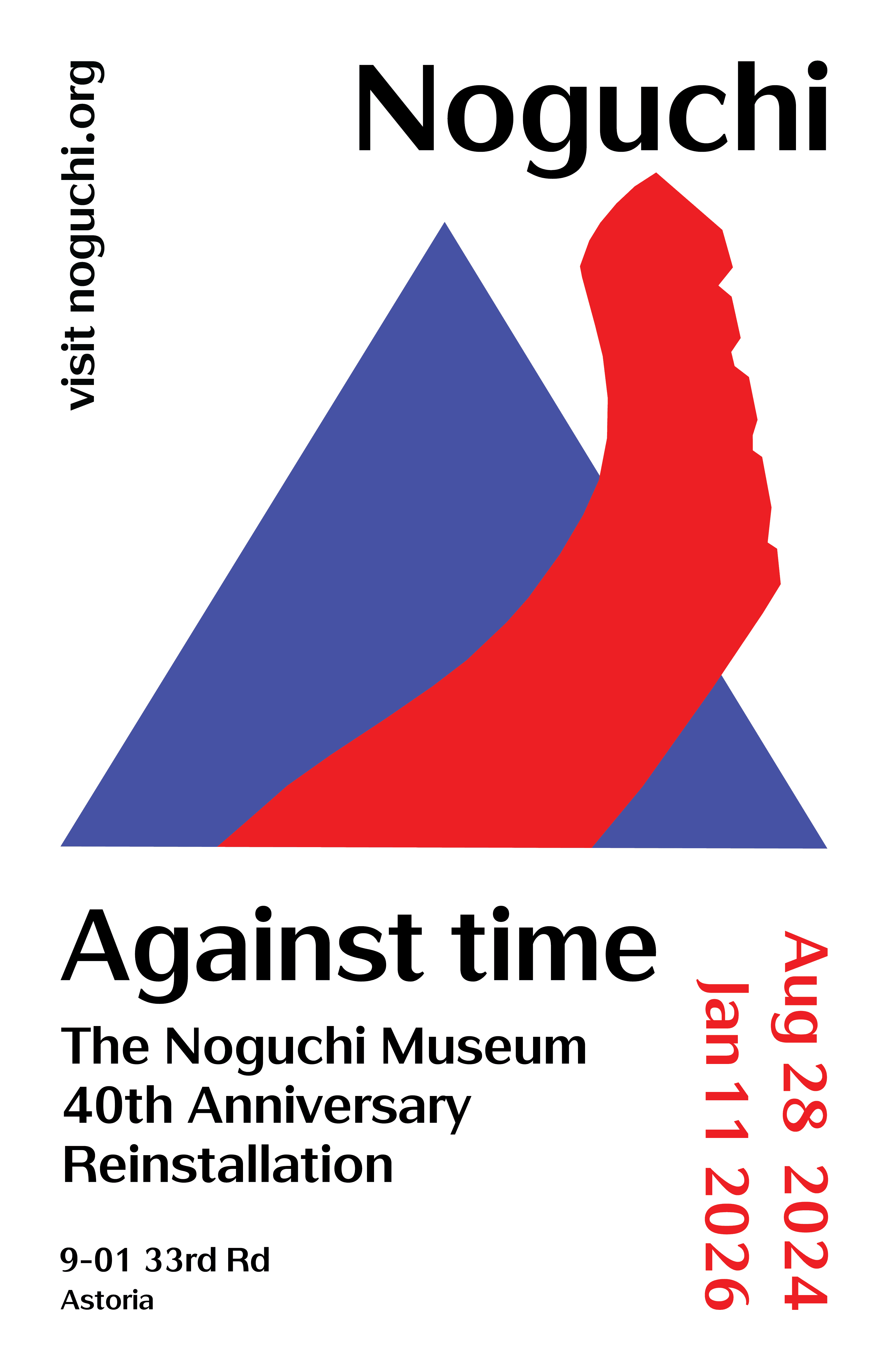
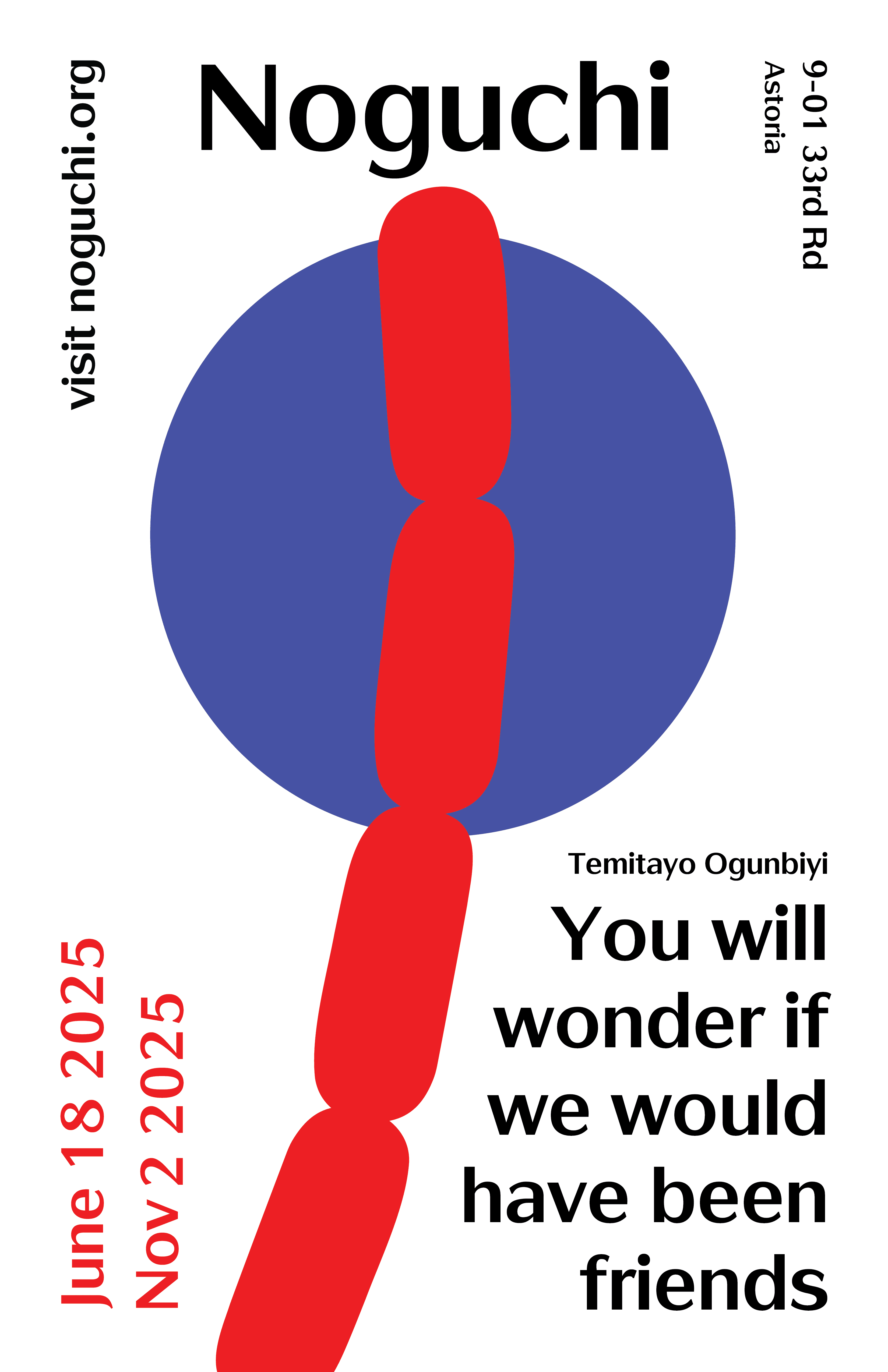
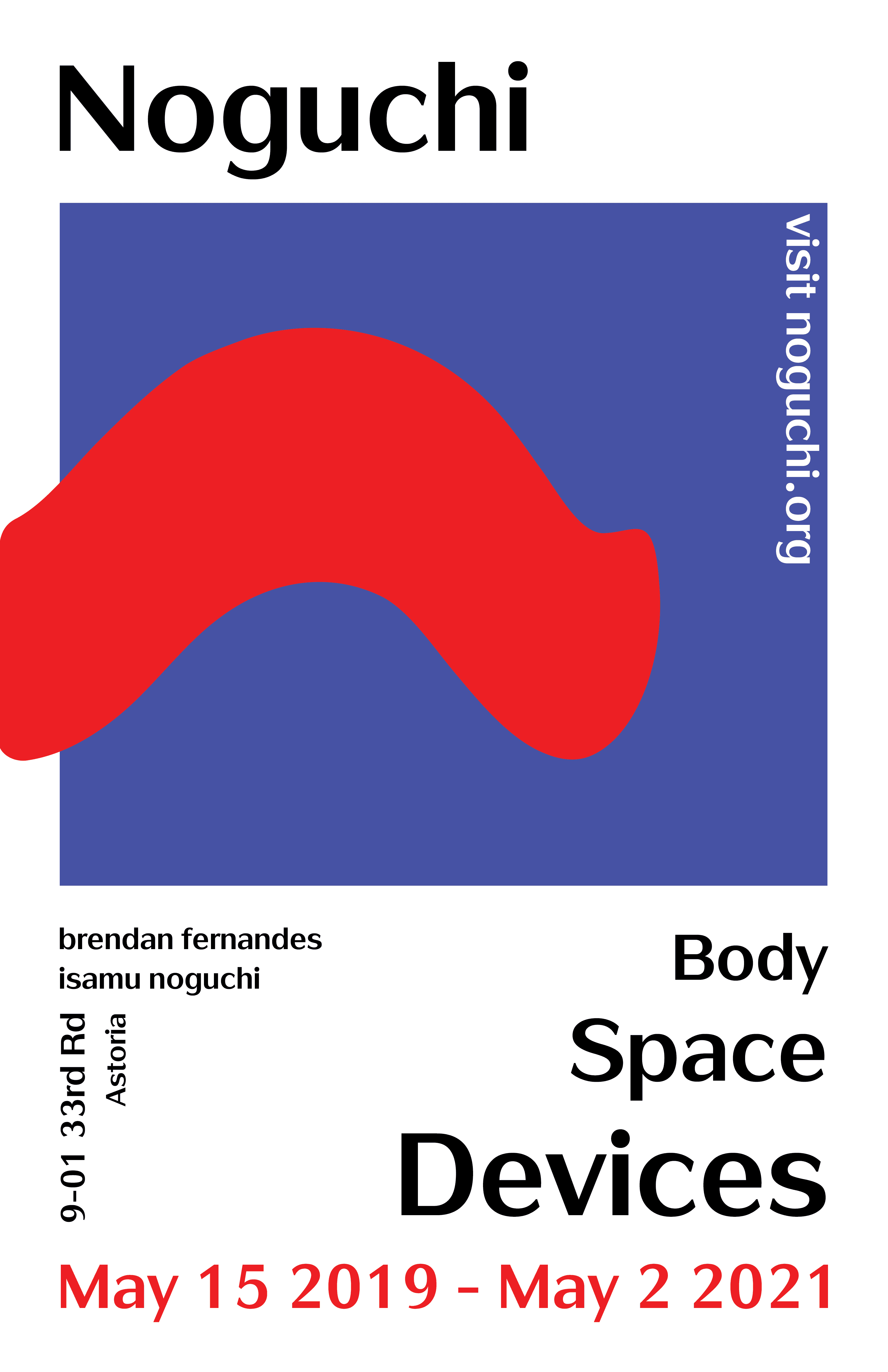
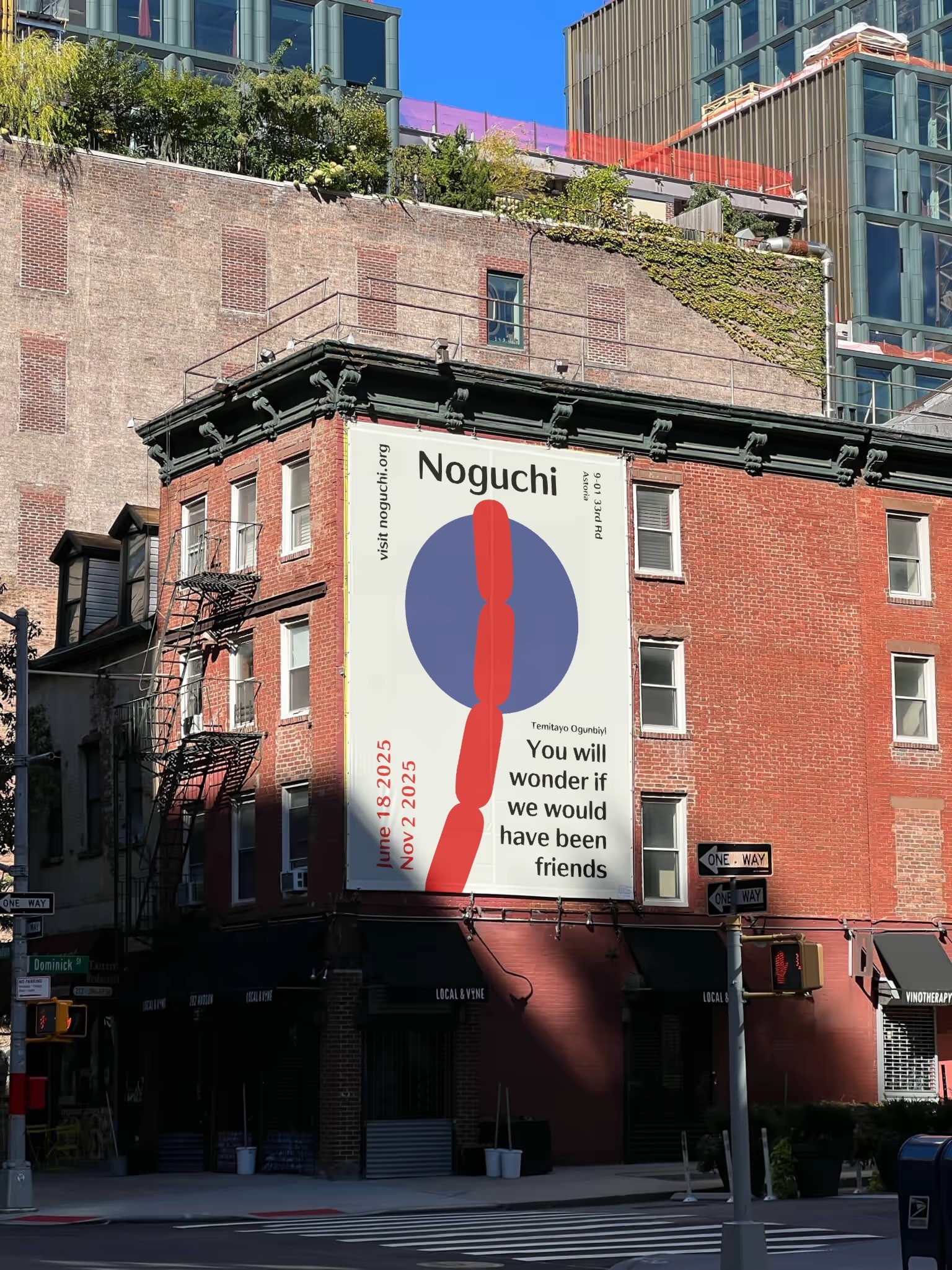
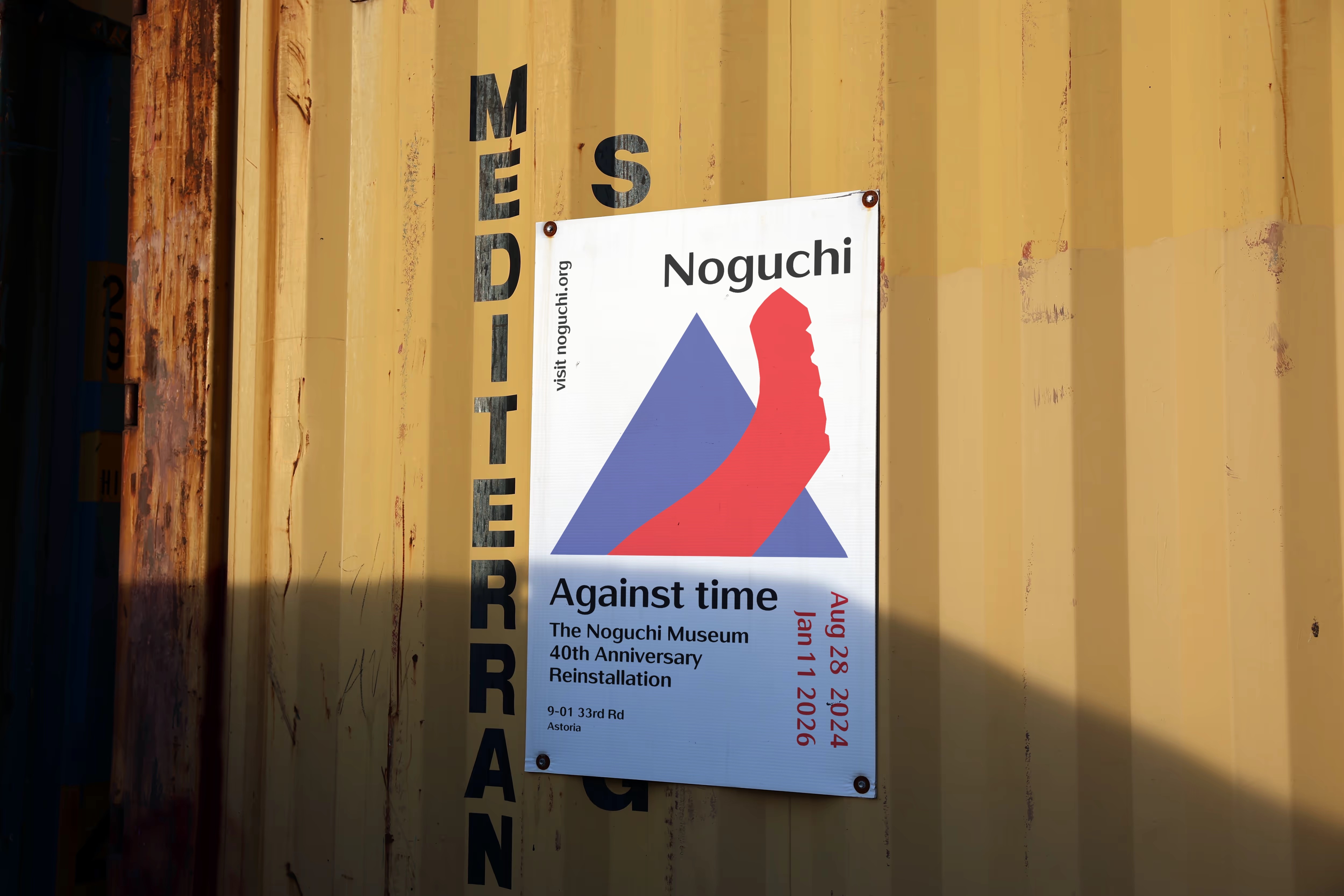
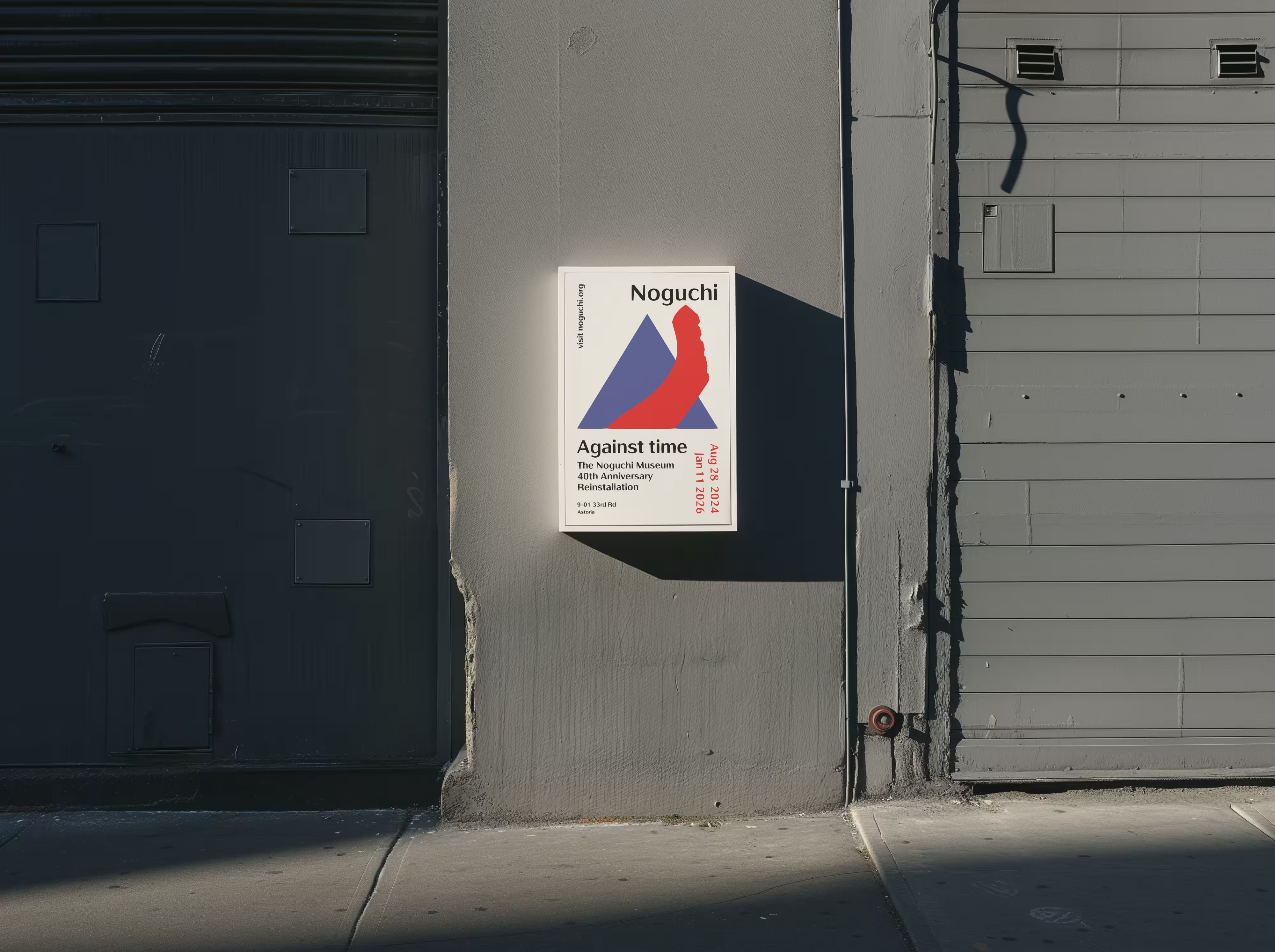
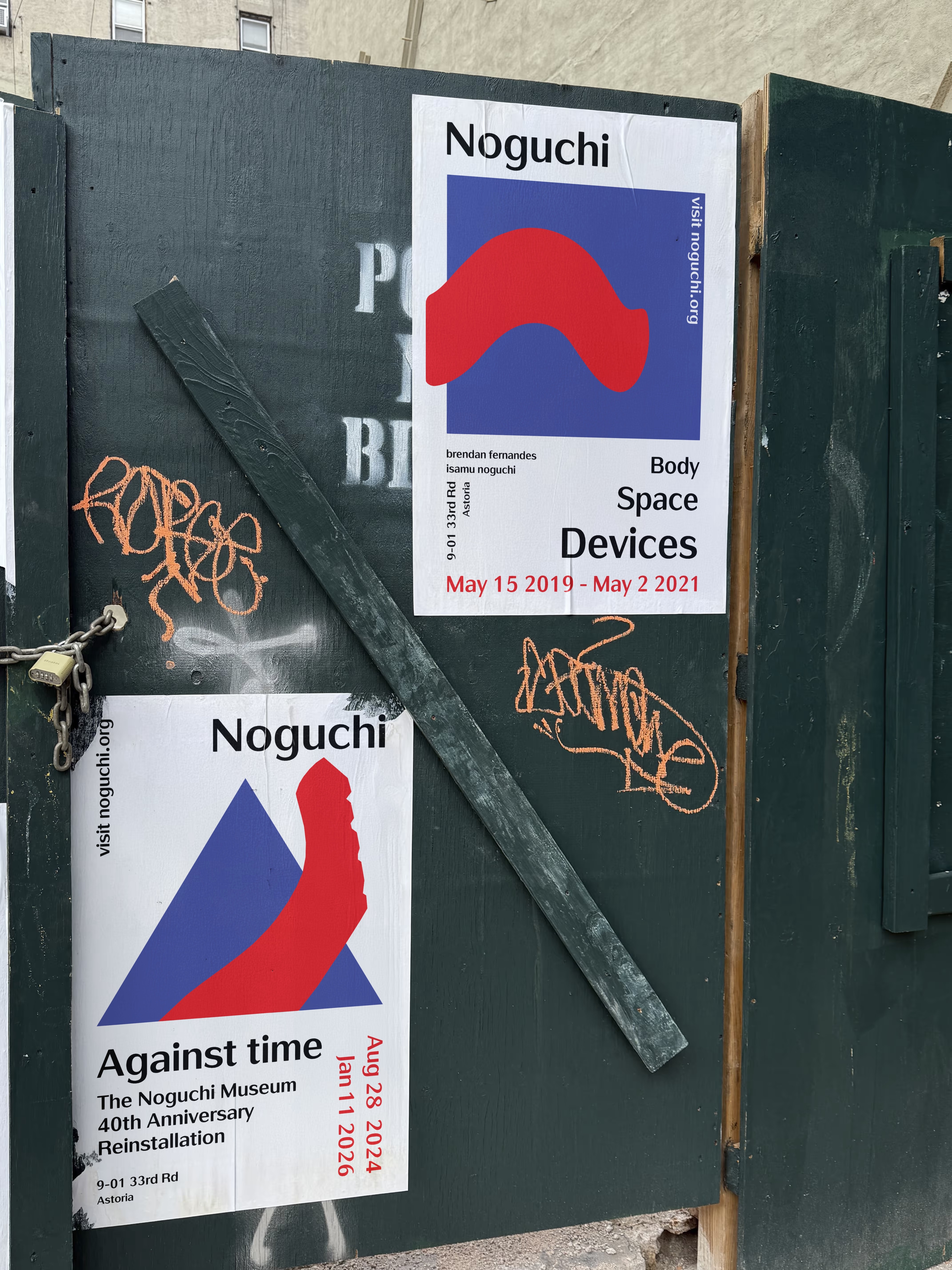
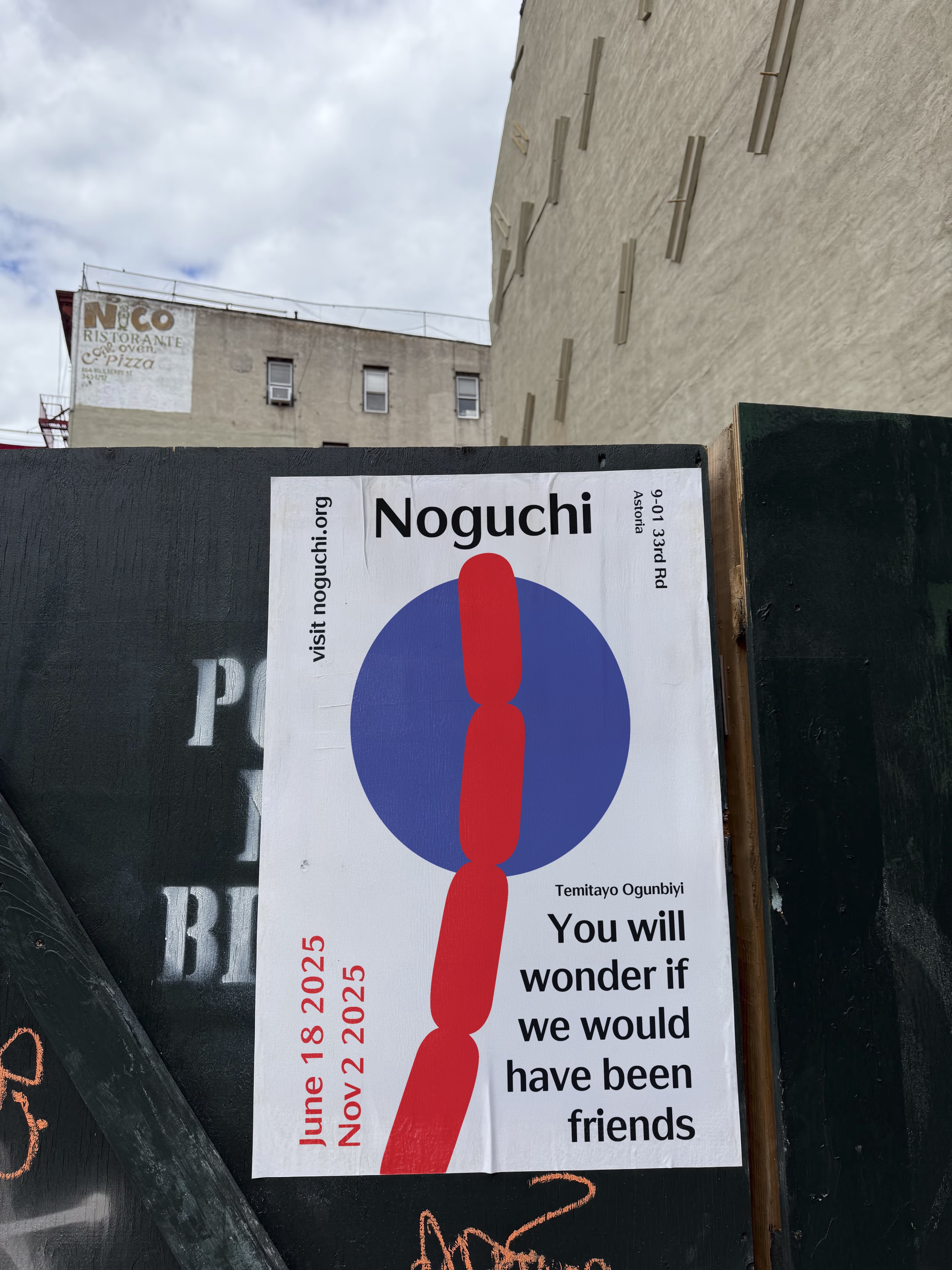
This poster series for the Noguchi Museum translates Isamu Noguchi’s sculptural language into graphic form, balancing materiality and space. It reflects his dialogue between art, design, and landscape through restrained typography and contemplative visual rhythm.
This poster series for the Noguchi Museum translates Isamu Noguchi’s sculptural language into graphic form, balancing materiality and space. It reflects his dialogue between art, design, and landscape through restrained typography and contemplative visual rhythm.

References
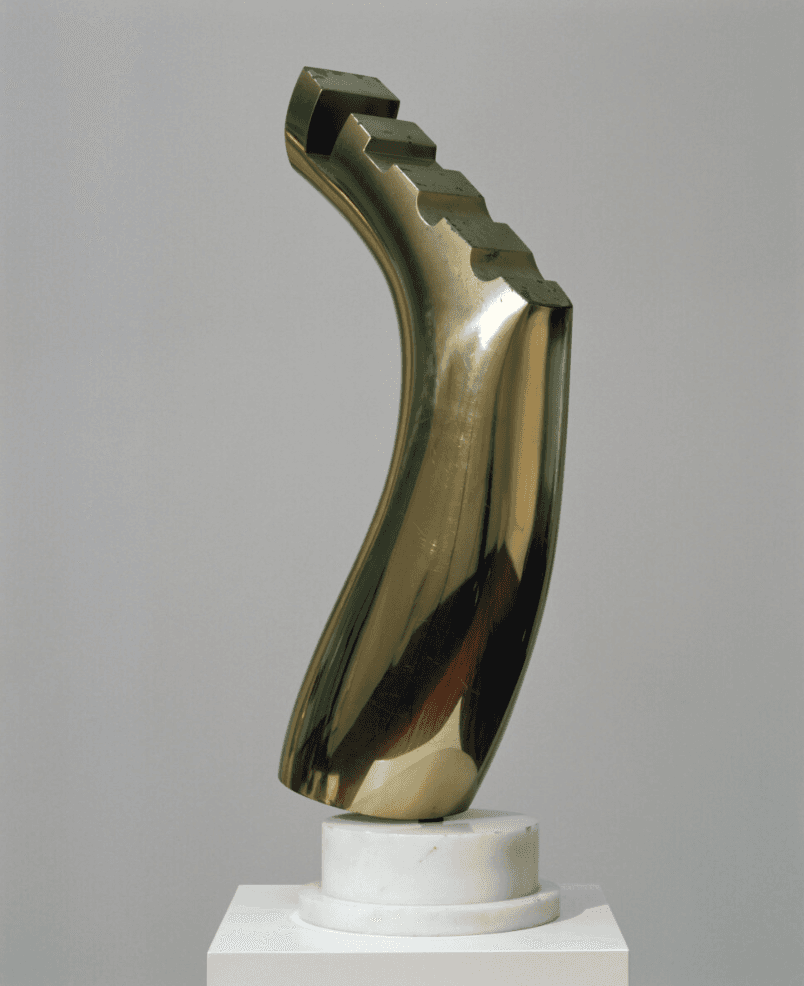
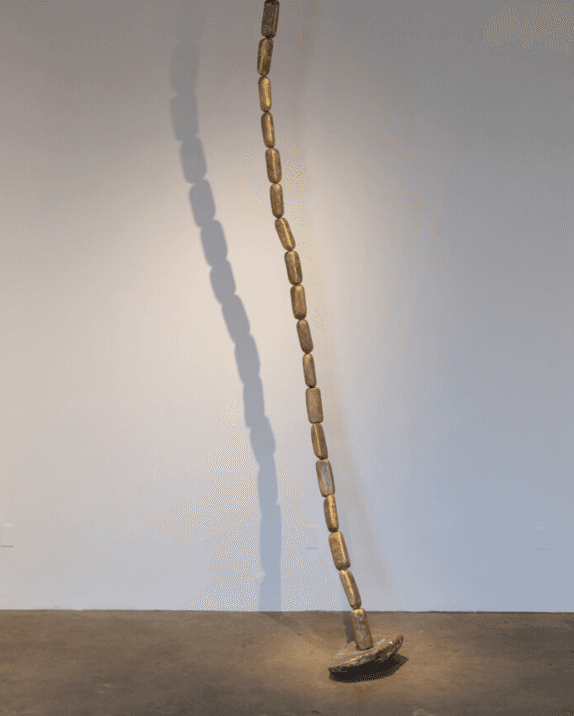
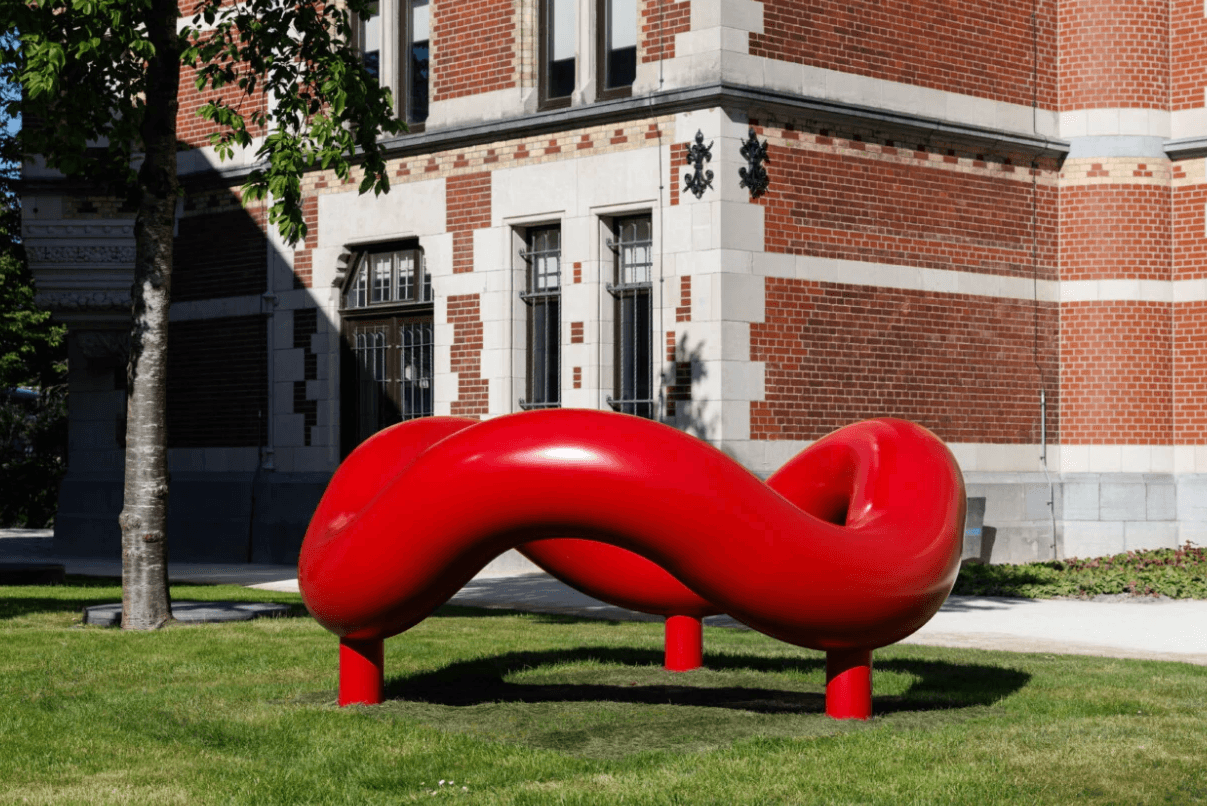
(left) Isamu Noguchi, Foot Tree, 1928. Brass. 24 1/8 x 12 1/2 x 6 7/8 in
(center) Temitayo Ogunbiyi: You will wonder if we would have been friends
(right) Installation view, Isamu Noguchi in the Rijksmuseum Gardens
(top) Isamu Noguchi, Foot Tree, 1928. Brass. 24 1/8 x 12 1/2 x 6 7/8 in
(center) Temitayo Ogunbiyi: You will wonder if we would have been friends
(bottom) Installation view, Isamu Noguchi in the Rijksmuseum Gardens
(top) Isamu Noguchi, Foot Tree, 1928. Brass. 24 1/8 x 12 1/2 x 6 7/8 in
(center) Temitayo Ogunbiyi: You will wonder if we would have been friends
(bottom) Installation view, Isamu Noguchi in the Rijksmuseum Gardens
I took key sculptures from each exhibition and translated them into clean vector outlines, using the same visual language across all the posters. By reducing each sculpture to its essential contours, I was able to reference the original works without overwhelming the overall design. This approach created a strong sense of cohesion throughout the poster series, while still allowing each piece to clearly represent its respective exhibition.
I took key sculptures from each exhibition and translated them into clean vector outlines, using the same visual language across all the posters. By reducing each sculpture to its essential contours, I was able to reference the original works without overwhelming the overall design. This approach created a strong sense of cohesion throughout the poster series, while still allowing each piece to clearly represent its respective exhibition.
I took key sculptures from each exhibition and translated them into clean vector outlines, using the same visual language across all the posters. By reducing each sculpture to its essential contours, I was able to reference the original works without overwhelming the overall design. This approach created a strong sense of cohesion throughout the poster series, while still allowing each piece to clearly represent its respective exhibition.